
How the Empowering Consumers for the Green Transition directive (EmpCo) makes brands prove their green claims.

Ever bought something labelled "eco-friendly" or "carbon neutral" and wondered what that actually means? Most of the time, it's hard to tell, and sometimes it means next to nothing.
That's where the Empowering Consumers for the Green Transition directive comes in. Known as ECGT or EmpCo for short, it's the EU's newest legislation on green claims in marketing. Since 27 September, it has asked brands to swap sustainability buzzwords for clear, evidence-based information, so consumers can make choices they feel confident about.

For consumers who want to make conscious purchases, the EmpCo is an important step. It requires companies to give clear information about product materials, carbon emissions, and durability. Otherwise, they can’t be labelled or marketed as ‘sustainable’.
Legislation like this also benefits companies that measure and reduce their environmental impact. When greenwashing marketing is removed, products and businesses with a positive impact stand out against those who can’t provide evidence for their claims.
Vague environmental claims are not allowed anymore under the EmpCo. This includes words like ‘sustainable’, ‘eco-friendly’, or ‘green’: anything that hints at positive environmental impact yet isn’t detailed enough to show how it helps. Now, every claim needs to include precise wording (e.g., ‘60% recycled cotton’ instead of ‘recycled materials’) and be backed by evidence.

Environmental labels are changing, with self-made symbols being banned. Think of a small green leaf to signify organic materials, or a planet icon. A lot of these labels are used to differentiate between ‘sustainable’ and regular products, but they are unregulated and based on self-reported information. Now, companies need to be certified through third-party schemes that can independently monitor their products and correctly assess their environmental impact. Certifications have already been seen for many companies and products already: think of OEKO-TEX cotton, B Corp, Global Recycled Standard, 1% For The Planet, or Cradle To Cradle.
Carbon offsetting measures, such as donating to environmental causes, cannot be used to claim that a product has a small or net zero footprint. Offsetting production and shipping emissions is not enough for a ‘climate neutral’ claim: instead, emissions need to be reduced through concrete measures. Our partnership with ClimatePartner guarantees this.
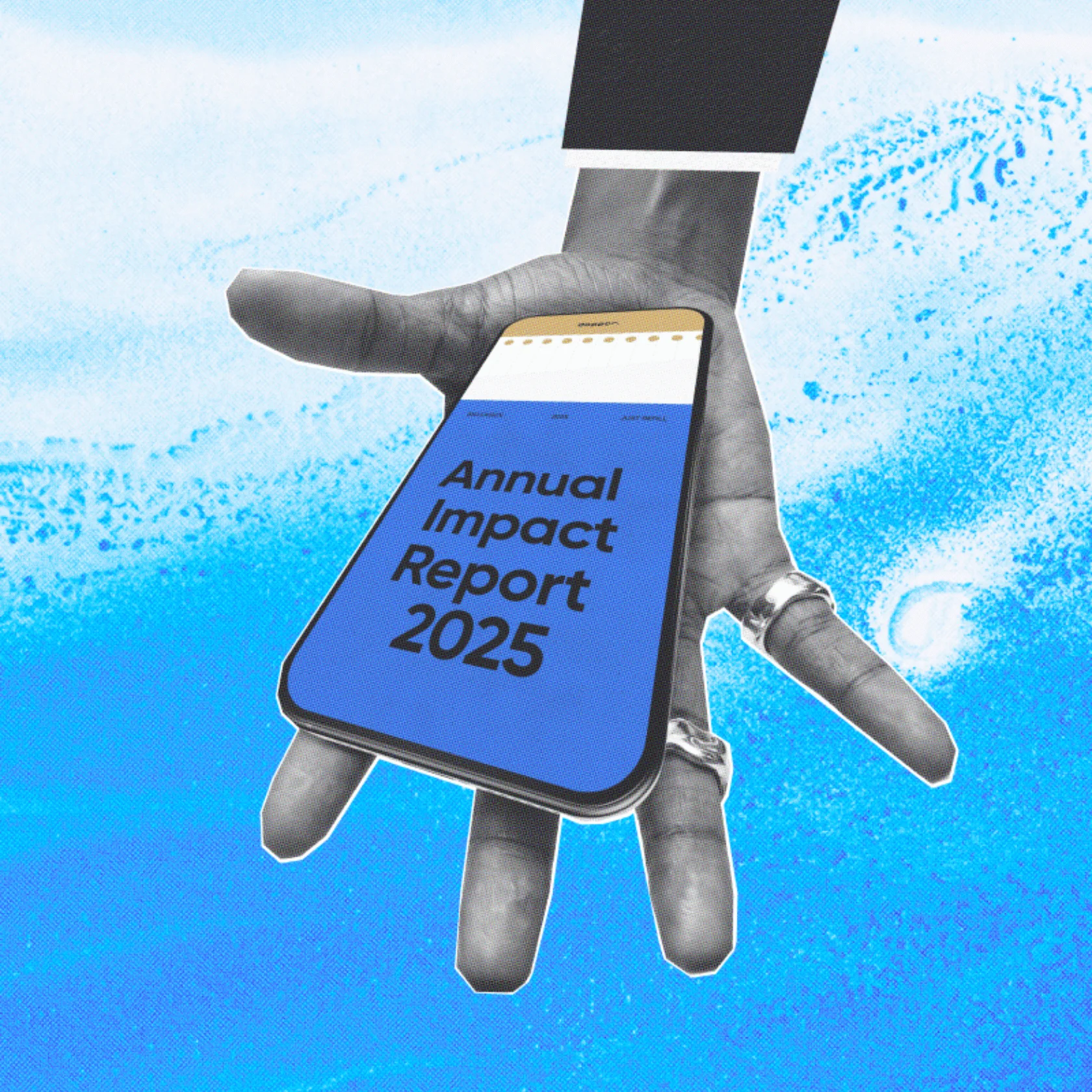
Transparency is what makes us different: we believe in being honest with consumers, even when things don’t go as well as expected. We share everything related to our environmental impact in our Annual Impact Reports, which we’ve been publishing since 2022.
Besides our own reports, we also hold multiple third-party certifications. These include being a B Corp since 2014, having our bottles Cradle To Cradle Certified, and most recently, becoming the first company in the Netherlands to be ClimatePartner certified.
In some cases, we’re even ahead of EU regulations. Last year we launched our Digital Product Passport, which contains information about the materials, production, emissions, and lifecycle of every product.
So next time you spot a green claim, take a closer look. Is it specific? Is there proof behind it? Has someone independent checked it? Thanks to EmpCo, those answers should be easier to find. And if you're curious about ours, everything is in our Annual Impact Report.